
Most fire pit suppliers decline test orders of 10–50 units. Six changes make small orders work: order standard catalog models instead of bespoke units, keep customization to branding and packaging, consolidate SKUs, keep delivery dates flexible, pay properly for samples, and work with a partner whose model is built for small batches. OneProStove accepts test orders from 10 units per model — 7-day sampling, 15–45 day lead times, SGS/CE reports on request.
From Product Selection to Purchase Order: Where Small Orders Stall
Table of Contents
Expanding into a new fire pit line runs on a fixed sequence: product selection first, then procurement. In our work matching buyers with factories, the same pattern repeats: a brand selects its product line carefully — models, finishes, target market — and then stalls at the first procurement conversation, when the supplier asks one question: how many units?
The Quantity Conversation, From Both Sides
OneProStove works with buyers and with factories, so we hear this exchange in full. Buyers tell us: “For the testing phase, we’ll only order 10 or 50 units.” We are glad to serve that — we think the logic is completely sound. Testing before you commit is exactly what a careful buyer should do.
But when we take that request up the supply chain for matching, most suppliers decline the order directly.
Both sides are acting rationally: the buyer is managing risk on an unproven product; the supplier is protecting line economics. No party is at fault, yet the order does not proceed. The arithmetic behind it is as follows.
Why Suppliers Decline Small Orders of Standard Models
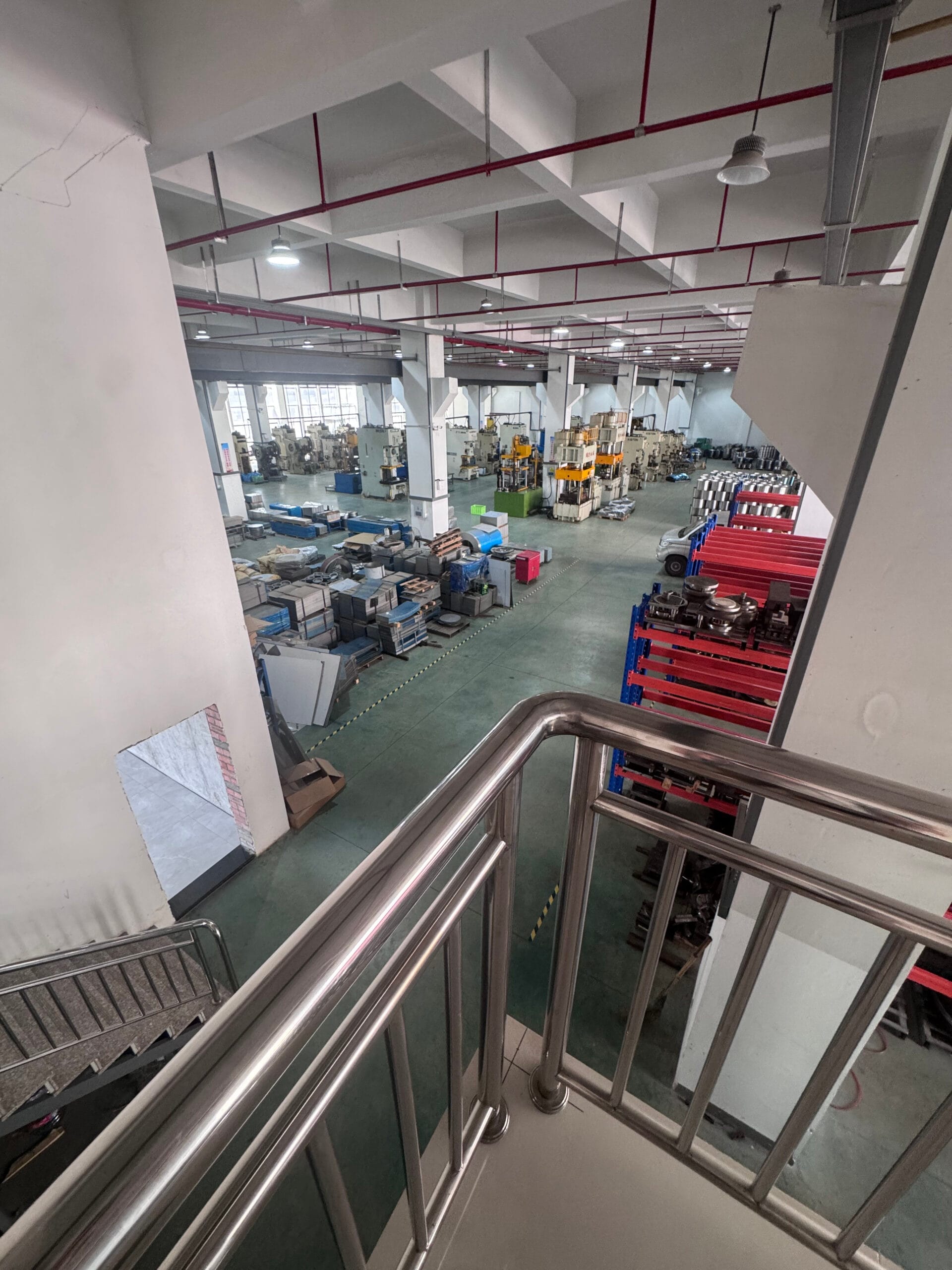
1. Production scheduling: large and small orders compete for the same capacity. Production plans are built around batch sizes and timelines. Splitting capacity between a 3,000-unit run and a 30-unit test interrupts that plan, and the interruption costs more than the small order earns.
2. Raw material MOQs are fixed. Steel mills and coating suppliers enforce their own minimum order quantities, regardless of how many finished units the buyer needs. On a small order, unused material becomes cost.
3. The margin is thin. After machining, welding, surface treatment and packaging, the margin on a small run is narrow. Fixed costs — quality control, documentation, administration — take most of what remains.
4. Setup fees apply to customized work. In our own laser customization service, suppliers charge a one-time setup fee on small orders: the machine must be recalibrated and its parameters reprogrammed for each run. The same logic applies across factory operations — a 50-unit order does not cost one-tenth of a 500-unit order. The cost structure is different, and the per-unit cost is higher.
5. Risk and workload do not scale down. A small order occupies the same personnel, machines and management resources as a large one; only the revenue scales.
Six Changes That Make Small Fire Pit Orders Work
1. Order standard catalog models instead of bespoke units. A standard model already exists in the factory’s production rhythm — no new tooling, no new drawings. Differentiation comes from branding: your color, your logo, your packaging.
2. Keep customization to branding and packaging. At testing volumes, customization should cost the factory little: your color, your logo, your carton. Full OEM development at very small volumes is a separate conversation, and an uncommon one.
3. Consolidate SKUs. Ten units of five models means five changeovers; twenty-five units of two models means two. Fewer changeovers per unit means better pricing — and a supplier that takes the order seriously.
4. Keep delivery dates flexible. Factories fill production-schedule gaps with small orders when delivery dates can flex. Rushed orders cost more at every stage.
5. Pay properly for samples. Sampling is how both sides reduce risk. A factory that refuses to deduct sample costs from the bulk order is signaling its terms; so is a buyer who expects custom samples free of charge.
6. Work with partners whose model is built for small batches. A supply-chain management partner aggregates orders from multiple small buyers before they reach the production line, so each buyer obtains factory-grade economics on a 10-unit test.
Verify the Supplier Before You Pay
Willingness to take a small order is not the same as ability to deliver it. Before paying a deposit:
- Ask for a burning video of the actual model, not catalog renders.
- Ask for material certificates — for 304 stainless steel, nickel content of 8%+ confirms the grade per ASTM A240 standard; below 6% is 201 regardless of paperwork.
- Ask whether export packaging is drop-tested per ISTA 3A standard — transit damage is the most common first-order failure.
- Ask for SGS or CE test reports for the specific model.
- Start with samples, and inspect them against the agreed specification.
A supplier that declines all five requests has answered the question.
How OneProStove Handles Test Orders
OneProStove is a supply-chain management company based in Ningbo. We do not operate our own factory; we coordinate a network of partner factories, and our wholesale program is built for this stage: a minimum order of 10 units per model, sampling dispatched within 7 days, 15–45 day lead times, and SGS or CE test reports available per model on request.
Because our model aggregates orders from multiple small brands before they reach production, a 10-unit test run receives factory-grade treatment — and if the market responds, scaling up is a conversation rather than a restart. Our first order — a fully custom, 2,300-unit private-label fire pit that most factories had declined — is documented in our case study.
FAQ
What is a realistic MOQ for a first test order of standard models?
At OneProStove, 10 units per model. Across the industry, 50–100+ units is common — which is why small test orders are declined by most factories.
Can I customize at low volume?
Branding, colors, packaging and minor specification changes: yes, at a 10-unit MOQ. Full OEM development at very small volumes is a separate conversation — uncommon, and rarely economic.
Why do suppliers decline small orders?
Production scheduling, fixed material MOQs, thin margins, and the fact that a small order occupies the same machines and management resources as a large one. It is arithmetic, not attitude.
How do I test demand before committing to volume?
Small batch, fast samples, honest cost calculation — and sell before scaling. Our wholesale program is built for this stage.
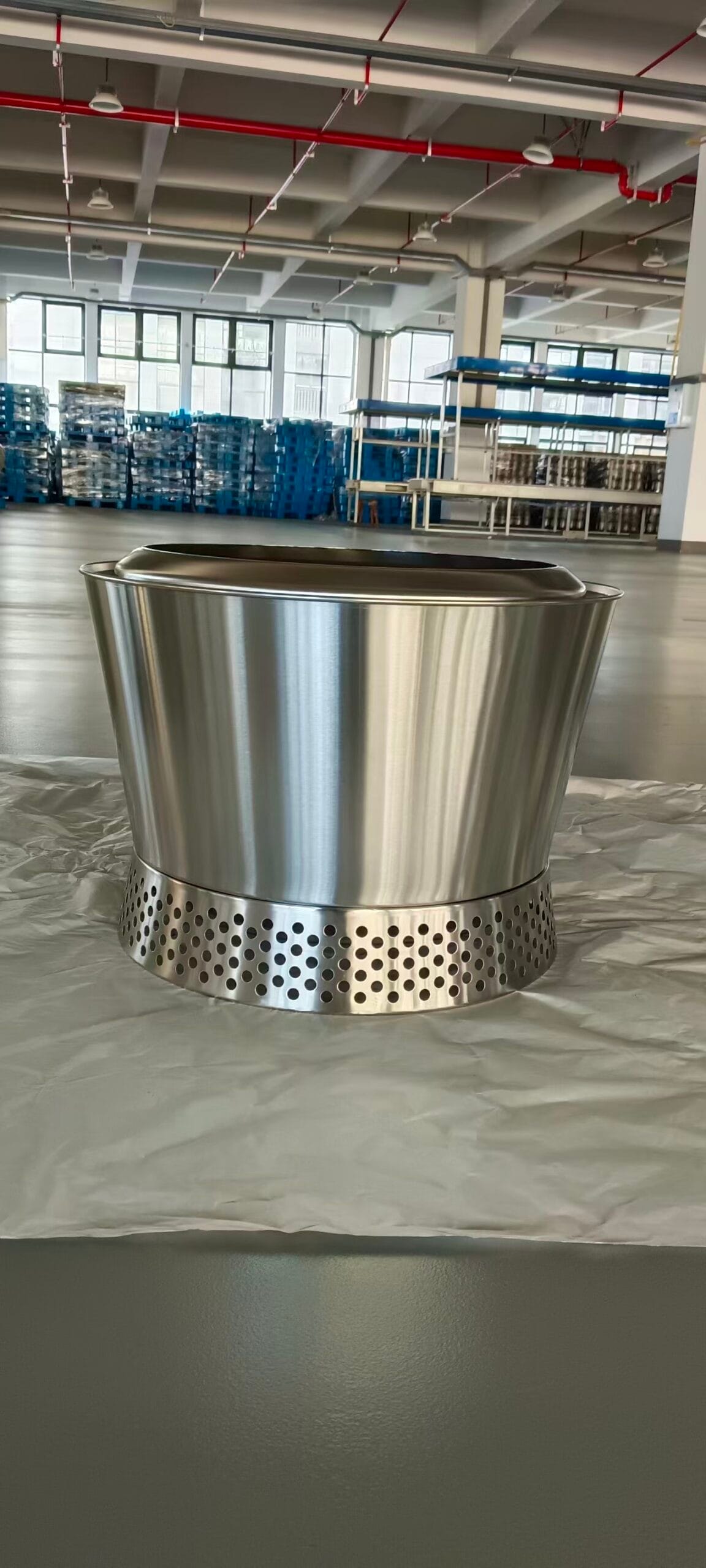
Ready to test a fire pit line without betting your inventory? Request a wholesale quote — MOQ 10 units per model, samples in 7 days. You can also start from a standard model such as the KZ-F square smokeless fire pit and scale from there, or contact us with questions first.
Related reading: smokeless fire pit sourcing guide